
Solar Plants Fencing | Know the Importance for Energy Restoration Project
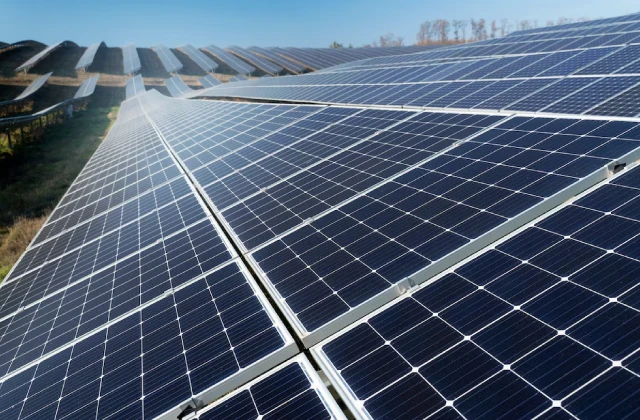
As we all are living proof of how rapidly the world is shifting to a greener future, energy restoration projects, such as fencing for solar plants with installation, have become increasingly popular and significant. Furthermore, the demand for renewable energy continues to increase, and solar farm security fence installation is becoming more common on large properties and farms. Additionally, these massive areas of fencing for solar plants provide imperative energy savings, but without appropriate protection, they can be overwhelming or vulnerable to theft, wildlife damage, and vandalism. Likewise, fencing for solar plants with installation is a crucial step to ensure that your hard-earned investment is protected and continues to function efficiently.
In this comprehensive blog post, we will discuss the imperative role of the solar power plant protection fence in energy projects. Furthermore, we will discuss the benefits they offer, working functionality, and more. Nevertheless, whether you are considering fencing for solar plants, ensure to go through such crucial points. Let’s continue with the blog to get precise details.
What is Solar Fencing in an Agricultural Field?
Security has become an imperative in today’s rapidly growing world, where ensuring the protection of one’s property, colonies, factories, crops, and more is everyone’s primary concern. Fencing for solar plants with installation is a modern, specialized technique that is the best option for end-to-end protection, as it is effective and efficient.
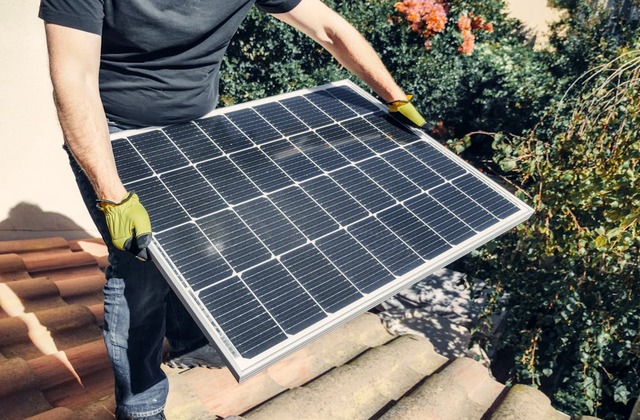
Therefore, fencing for solar plants in agricultural fields uses the sun’s energy to power an electric fence as a non-destructive barrier that prevents wild animals. Likewise, it keeps livestock contained, secures crops without requiring grid power, making it cost-effective, long-term, and eco-friendly, and ideal for remort farms. Additionally, it delivers a harmless shock that helps the animals learn to avoid the fence.
Our Products
Agricultural Solar Fencing System
Solar Power Fencing
Solar Power Boundary Wall
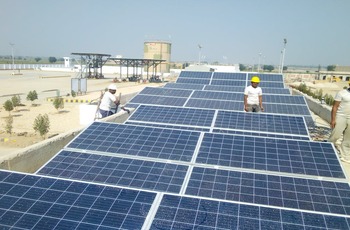
Solar Plant Boundary Wall Manufacturer
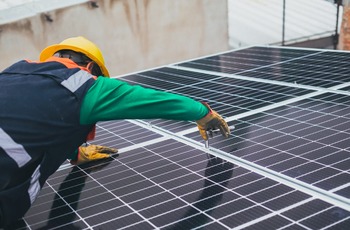
Solar Panel Protection
Solar Fencing System for Security Purpose
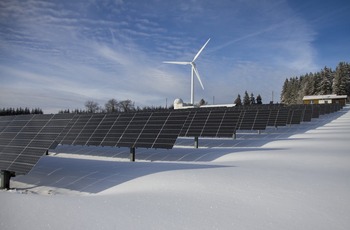
Solar Fencing for Agricultural Field
Solar Farm Fencing
Solar Fencing
Standard Technical Configuration of Solar Farm Perimeter Fencing
| Category | Specification / Options |
|---|---|
| Fence Type | Chain-link fence / Welded mesh fence / Palisade fence |
| Fence Height | 1.8 m – 2.4 m (6 ft – 8 ft) |
| Mesh Size | 50 × 50 mm / 60 × 60 mm |
| Wire Gauge | 9–11 gauge (3–4 mm) |
| Fence Material | Hot-dip galvanized steel / Galvanized + PVC-coated |
| Coating Thickness | Zinc ≥ 275 g/m² (typical) |
| Posts Type | RHS steel posts / Angle posts |
| Post Height | 2.4–3.0 m (depending on fence height) |
| Post Spacing | 2.5–3.0 m |
| Post Foundation | Concrete footing 300 × 300 mm, depth 600–900 mm |
| Top Support | Barbed wire / Razor wire / None |
| Number of Barbed Wire Strands | 3 or 6 |
| Ground Clearance | ≤ 50 mm |
| Gate Types | Sliding gate / Swing gate / Pedestrian gate |
| Gate Width | 4–6 m (vehicle) / 1 m (pedestrian) |
| Corrosion Protection | Hot-dip galvanization, powder coating, PVC |
| Lightning / Earthing Bond | All fencing sections are bonded to the earthing system |
| Anti-Climb Measures | Barbed wire, razor wire, anti-climb mesh |
| Security Add-ons | CCTV poles, motion sensors, fiber detection cable |
| Clear Zone | 1–2 m inside perimeter |
| Expected Lifespan | 15–25 years |
What are the Fundamental Types of Solar Farm Fencing?
Fencing for solar plants, with installation, comes in multiple varieties, each offering varying levels of durability, protection, and aesthetics. Likewise, the choice of fencing will depend entirely on the specific needs and requirements of your solar farm, including local regulatory requirements, size, and location. Additionally, we have mentioned some common fencing types used for solar farms:
1. Mesh Fencing
Mesh fencing is a durable and versatile barrier made from welded or interwoven metal wires that form a grid. Thus, it offers containment, security, and aesthetics for industrial, commercial, residential, and agricultural uses. It is known for its low maintenance and durability compared to wood. Also, it consists of multiple types, such as woven wire (circular links), welded wire (stronger grid), and chain link (diamond pattern). Likewise, it is often PVC-coated or galvanized for weather resistance.
Advantages
Check out some imperative advantages of mesh fencing:
- Provides High Security & Deterrent
- Offer Durable & Weather-Resistant Properties
- It Offers Versatile Application Options
- It offers Excellent Visibility
- It is Easy & Fast to Install
Disadvantages
Go through the concerning limitations of mesh fencing:
- It has Limited Privacy & Aesthetics
- It Contains Corrosion & Wear
- It Might Give a Hard Time during Installation on Slopes
- It Need Constant Maintenance for Appearance
- It is Difficult Modifications
2. Wooden Fencing
Wooden fencing is a versatile, popular barrier made from timber, used for property boundaries, decoration, privacy, or security. Furthermore, it blends naturally with functionality across multiple styles and wood types, offering sustainability while requiring maintenance, such as sealing and staining.
Advantages
In this precise section, we will check the fundamental advantages of wooden fencing:
- It Offers Versatility & Customization
- It is Affordable compared to others
- It has Eco-Friendly Properties
- It consists of Increased Property Value
- It is Easy to Repair
Disadvantages
While opting for wooden fencing, don’t forget to check out the cons of wooden fencing:
- Weather Damage
- Rot & Decay
- Shorter Lifespan
- Splinters & Roughness
- Security & Scalable
3. Palisade Fencing
Palisade fencing for solar plants with installation is a robust, high-protection barrier made of vertical steel pales fixed to horizontal rails, known for intimidating thieves with its strong, climb-resistant design, often used for commercial, industrial, residential, and government premises where high visibility and security are needed. It is manufactured from galvanized steel for sustainability, durability, and longevity.
Advantages
Look into the crucial advantages of palisade fencing:
- High Security & Deterrence
- Customization Availability
- Clear Visibility
- Cost-Effective
- Aesthetic Appeal
Disadvantages
Don’t ignore the concerning disadvantages of palisade fencing:
- Complex Installation
- Security Gaps
- Vulnerable Fixings
- Terrain Challenges
- Maintenance Costs
Solar Fence Installation Requirements
Let’s discuss some fundamental fencing for solar plants with installation requirements that every individual should know before planning to install solar panels according to their needs and preferences:
- The site for installing a solar fence should receive sufficient sunlight throughout the day so that the solar panels can charge efficiently.
- The fence should have sturdy poles or posts that can easily handle wire tension and weather.
- High-grade insulators are essential to prevent electric current from leaking from the wire to the ground.
- Grounding a solar fence is very important. A good earthing rod and a wet soil area are preferred.
- The correct energizer should be selected based on the size of the area, so that it can provide the required voltage to the entire boundary.
- The boundary where the fence is to be installed must be cleaned first, by removing large leaves, bushes, and branches, to prevent the wires from short-circuiting.
- The fence should be installed at a distance from houses, sheds, or water lines for safety.
- Installing “Warning Electric Fence” boards along with electric fencing is mandatory due to safety norms.
- Solar panels should be fitted on sturdy mounts at an angle that captures maximum sunlight.
- Installation should be done in such a way that there is easy access for later maintenance, fault checking, and cleaning.
How does a Solar Fence System Work?
Solar power plant protection fence has become an innovative and cost-effective security solution in agriculture. Compared to traditional fences like barbed wire or electric fencing, solar fencing is more secure, reliable, and eco-friendly. But the question is, how does a solar fence actually work? Let’s discuss.
The working principle of a fencing for solar plants with installation begins when the solar module generates DC (direct current) from sunlight, which is used to charge the solar fence’s battery. Furthermore, with sufficient sunlight hours and capacity, the battery of solar panels can typically last more than 24 hours when used effectively. The results of the charge are sent to the controller, fence, energizer, or charger.
Additionally, an energizer is a device that transforms a low-voltage current from a battery into a high-voltage current. However, this way, a short electric current is generated when any object, animal, or trespasser comes into contact with the fence. This electric shock is safe and does not cause any external or internal damage to the objects.
What are the Major Application Areas of Solar Fence?
Solar farms need fencing, and installation is one of the best ways to ensure security, safety, and wildlife management, as solar panels are valuable, dangerous if tampered with, and often in areas of deprivation where animals roam. Regulations usually require secure perimeters for these reasons. Furthermore, fences secure costly assets, manage animal intrusion, and prevent accidents while balancing environmental needs and preferences with high security. As we all know, fencing for solar plants with installation has a broad scope of application in different industries and can be used at places, such as:
1. Crop and Garden Protection
Solar fencing system prevents hungry wildlife, such as bears, rabbits, and deer, from destroying valuable gardens and crops.
2. Livestock Management
Fencing for solar plants keeps sheep, goats, cows, buffaloes, and cattle safely contained in particular paddocks or prevents them from roaming. Additionally, it is ideal for rotational grazing in livestock management.
3. Remote Property Security
Solar fencing provides reliable, off-grid security for expansive, remote land parcels, farms, or granges where grid power is not available.
4. Perimeter Security & Multifunctional Fencing
Fencing for solar plants with installation secures residential boundaries and construction sites and integrates the panels directly into the fence structure to power cameras, charge devices, or illuminate areas. Thus, it provides both energy generation and security.
It’s Time to Wrap Things Up!
We hope this blog has provided you with all the precise details about fencing for solar plants with installation. However, solar panel fencing is an exceptional way to make use of unused fence space, particularly for residential houses with small rooftops. Furthermore, solar farm fencing is essential for protecting equipment, ensuring safety, and complying with regulations. Moreover, companies growing energy restoration projects must prioritize robust protection in their plans.
Nevertheless, if you are searching for a reliable manufacturer of solar panel fence, look no further than Tarbandi. We offer a wide range of solar fencing that provides the utmost security around your space. Therefore, by investing in our solar panel fence, you ensure your solar field operates efficiently for years without any issues. So, what are you waiting for? Connect with us today to secure your surroundings with our advanced solar-powered fencing.